
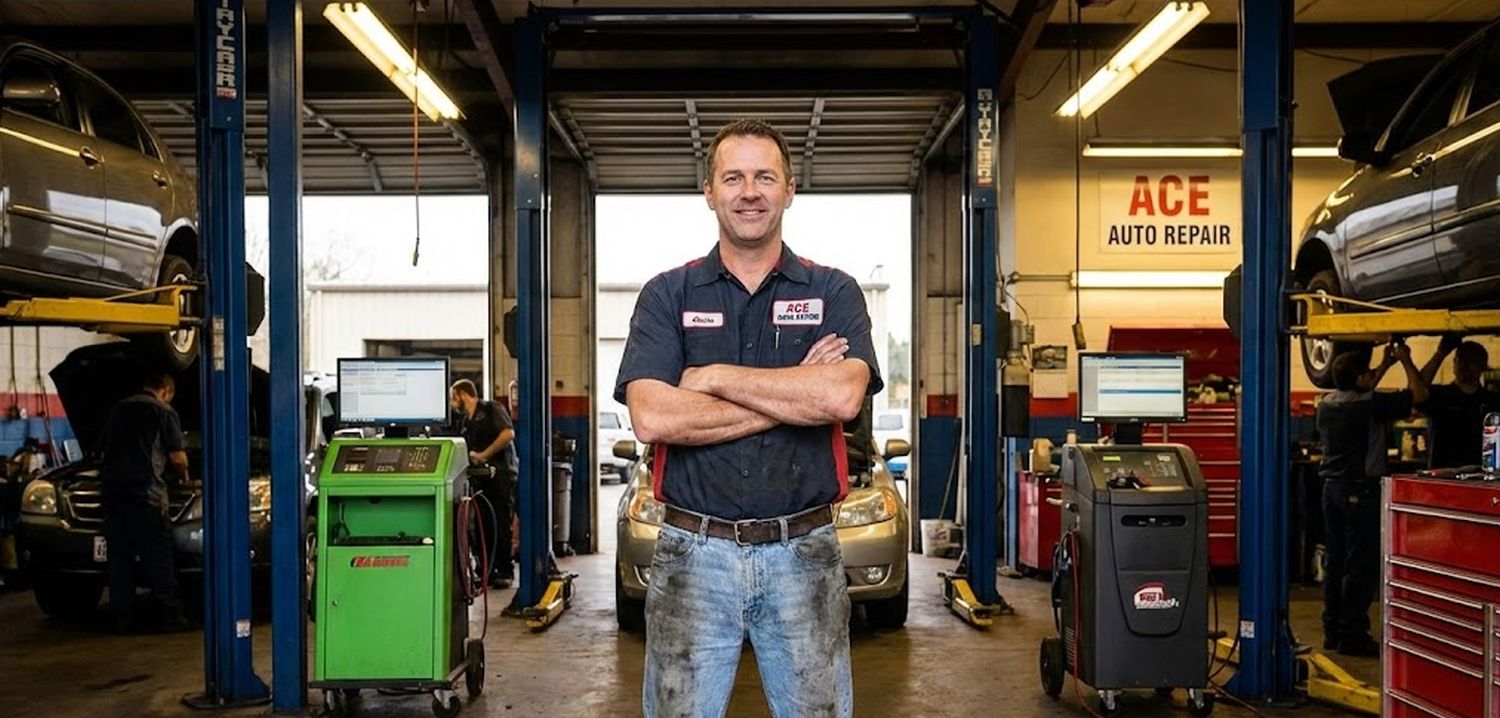
Business loans for auto repair shops provide funding for equipment purchases, parts inventory, shop upgrades, and the working capital that keeps bays busy and customers served. Auto repair is a capital-intensive business where a single diagnostic machine can cost thousands and a full shop buildout runs into six figures.
The right financing helps shop owners purchase lifts and tools, stock parts inventory, hire technicians, expand services, or bridge cash flow gaps between completing repairs and collecting payment. Many auto repair shop loans fund within 24 to 48 hours, getting capital into your hands when equipment breaks or opportunities appear.
Why Auto Repair Shops Need Business Financing
Running an auto repair shop requires constant capital investment. The equipment alone represents a massive financial commitment.
Lifts cost anywhere from $3,000 to $15,000 each. Diagnostic computers run several thousand dollars and require regular updates. Tire machines, alignment systems, welding equipment, air compressors. Every bay needs tools, and professional-grade tools aren’t cheap.
Then there’s inventory. You can’t repair vehicles without parts on hand. Customers expect quick turnarounds, which means stocking common items rather than ordering everything as needed. Brake pads, filters, fluids, belts, batteries. That inventory ties up cash.
According to the U.S. Bureau of Labor Statistics, the automotive repair and maintenance industry employs over 750,000 technicians across hundreds of thousands of shops nationwide. These businesses collectively require billions in equipment and inventory investment to keep America’s vehicles running.
Cash flow timing adds another layer of pressure. You complete repairs, but customers sometimes pay later. Fleet accounts and insurance work operate on billing cycles. Parts suppliers want payment before you’ve collected from customers. The timing rarely aligns perfectly.
Common Uses for Auto Repair Shop Funding
Shop owners use financing for various purposes across their operations.
Equipment Purchases
New lifts, diagnostic equipment, tire machines, alignment systems. Major equipment purchases require significant capital. Financing lets you acquire what you need without depleting cash reserves.
When equipment fails unexpectedly, you can’t wait weeks for bank approval. A broken lift means a bay that generates zero revenue until it’s replaced.
Parts Inventory
Stocking commonly needed parts improves turnaround times and customer satisfaction. But inventory ties up working capital. Financing lets you maintain adequate stock without straining cash flow.
Buying parts in bulk often earns discounts from suppliers. If financing costs less than the discount saves, borrowing to buy larger quantities makes financial sense.
Shop Renovations and Expansion
Adding bays, upgrading facilities, improving customer waiting areas. Physical improvements attract customers and increase capacity but require upfront investment.
Hiring Technicians
Good mechanics are hard to find and expect competitive pay. Hiring costs include recruiting, training, and paying wages before the new technician generates revenue. Financing can bridge this gap.
Marketing and Customer Acquisition
Building your customer base requires investment in marketing, whether digital advertising, local promotions, or fleet account development. Marketing costs come before the revenue it generates.
Working Capital
Sometimes you just need cash flow support. Slow weeks happen. Large parts orders deplete accounts. Customers pay late. Working capital financing keeps operations running smoothly through the bumps.
Need Funds Quickly?
Types of Loans for Auto Repair Shops
Several funding products serve auto repair shop needs. The right choice depends on your specific situation.
Short-Term Business Loans
Short-term loans provide a lump sum repaid over 3 to 18 months. They work well for equipment purchases, inventory stocking, or specific projects with clear timelines. The defined repayment schedule makes budgeting straightforward.
Business Lines of Credit
A business line of credit provides flexible access to funds you draw as needed. This suits the unpredictable nature of shop operations perfectly. Draw funds when a major equipment repair hits unexpectedly. Cover parts costs during a busy month. Repay when receivables come in.
Many experienced shop owners establish a line of credit before they need it, treating it as a financial safety net. When something breaks or an opportunity appears, the money is already accessible.
Equipment Financing
If you’re purchasing specific equipment, equipment financing spreads the cost over the useful life of the asset. The equipment itself often serves as collateral, which can make approval easier for major purchases like lifts or diagnostic systems.
Merchant Cash Advances
If your shop processes significant credit card volume, MCAs advance money against future card sales. Repayment happens automatically as a percentage of daily transactions. This works particularly well for shops with steady retail customer flow.
Get Your Free Quote
Qualification Requirements
Alternative lenders have made auto repair shop financing more accessible than traditional bank loans.
Time in Business
Most lenders require at least six months of operating history. This provides enough data to evaluate your revenue patterns and business stability.
Monthly Revenue
Revenue minimums typically fall between $10,000 and $15,000 monthly. Higher revenue supports larger loan amounts. Your bank statements demonstrate what actually flows through your business.
Credit Score
Many alternative lenders approve shop owners with credit scores as low as 500. As we discussed in revenue based business loans, your monthly deposits often matter more than your credit history.
Bank Account Health
Lenders review your statements for consistent deposits, reasonable balances, and clean activity. Shops with steady customer flow show regular deposits that lenders like to see.
Strengthening Your Application
A few steps can improve your approval chances and terms.
Organize Your Financials
Download three to six months of bank statements before applying. Having documentation ready speeds up the entire process.
Apply During Strong Periods
If your shop has seasonal patterns, apply when statements look strongest. Summer months often bring more business for many shops. Statements reflecting busy periods make better impressions.
Keep Business and Personal Separate
If shop revenue mixes with personal accounts, separate them. Dedicated business banking makes evaluation simpler and presents a more professional picture.
Know What You Need
How much funding do you need? What specifically will you use it for? Clear answers demonstrate preparation and help lenders structure appropriate offers.
The Application Process
Getting an auto repair shop loan from alternative lenders is straightforward.
Step 1: Gather Documents
Bank statements from the past three to six months. Government ID. Basic business information like your EIN and formation date.
Step 2: Complete the Application
Most applications take 10 to 15 minutes online. Answer accurately and completely.
Step 3: Submit Documentation
Upload your bank statements immediately when prompted. Respond quickly to any lender questions.
Step 4: Review Your Offer
When approved, review terms carefully. Understand total repayment amount, payment schedule, and any fees.
Step 5: Receive Funding
Most shop owners receive fast business funding within 24 to 48 hours of approval.
✓ 6+ months in business
✓ $15,000+ monthly revenue
✓ Active business bank account
Managing Auto Shop Loan Repayment
Smart planning ensures financing helps rather than strains your business.
Match Loan Purpose to Term
Equipment that will generate revenue for years can justify longer repayment terms. Parts inventory that sells within months should be financed with shorter terms.
Account for Seasonal Patterns
If your shop has slower periods, ensure cash flow can handle payments during those times. Some shop owners prefer borrowing before busy seasons when repayment feels easier.
Calculate Return on Investment
Before financing equipment, estimate the revenue it will generate. A new lift that lets you service more vehicles daily should pay for itself over the loan term.
Don’t Overextend
Borrow what you need, not the maximum available. Every dollar borrowed requires repayment with interest. Conservative borrowing preserves flexibility.
Building Toward Better Financing Options
Your first loan establishes a track record for future financing.
Make Every Payment On Time
Perfect payment history builds credibility. Many lenders report to credit bureaus. On-time payments help your credit recover and improve.
Build Lender Relationships
Successfully repaying one loan positions you for better terms on the next. Some lenders reward returning customers with improved rates.
Graduate to Better Products
Your first loan might have higher rates due to limited history. After proving yourself, better options open up. A shop owner might start with a short-term loan and eventually qualify for a line of credit with more favorable terms.
Ready to get started?
Frequently Asked Questions
How much can auto repair shops borrow?
Amounts typically range from $5,000 to $500,000 depending on monthly revenue and business history.
Do auto shop loans require collateral?
Many alternative lenders offer unsecured options. Equipment financing may use the purchased equipment as collateral.
How fast can auto repair shops get funded?
With complete documentation, funding typically happens within 24 to 48 hours.
Can new auto shops qualify?
Options are limited under six months of operation. After establishing consistent revenue, more financing becomes available.
What credit score do mechanics need for business loans?
Many lenders work with scores as low as 500, focusing primarily on business revenue rather than personal credit.

