
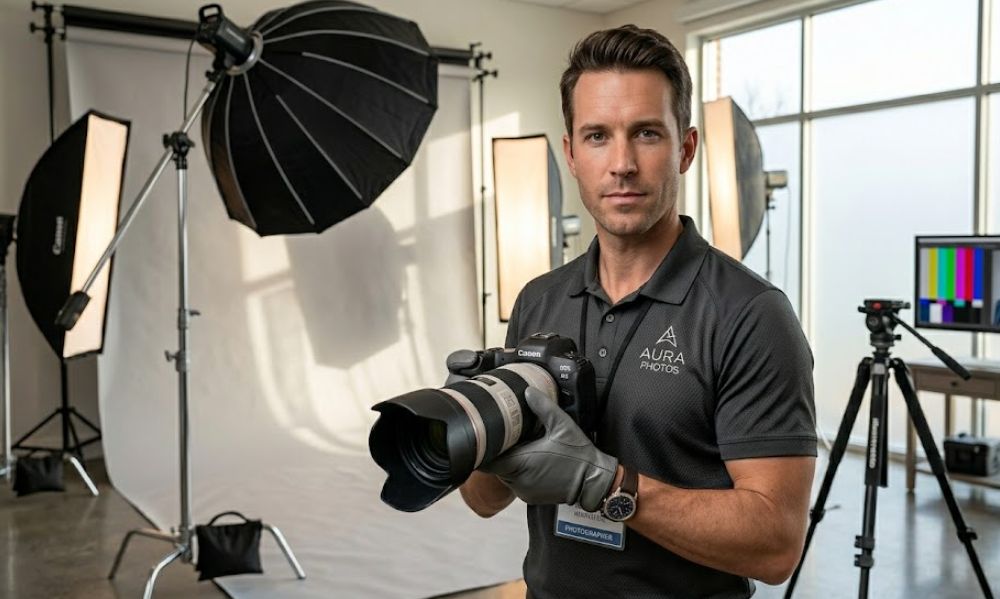
Photography businesses need capital for cameras, lenses, lighting, studio build-outs, marketing, and cash flow between client payments, and traditional bank loans rarely move fast enough to support a business built around project timelines. Business loans for photography businesses come in several forms, including equipment financing for cameras and lighting, lines of credit for ongoing operating costs, short-term loans for studio expansion, invoice factoring for commercial clients on long payment terms, and merchant cash advances for studios with strong card revenue. Most alternative lenders require six months in business, consistent monthly revenue, and a credit score of 500 or higher. Approvals often come through in 24 to 48 hours, which is why photography business owners increasingly turn to direct funders rather than banks.
Why Photography Businesses Need Access to Capital
Professional photography has become more capital-intensive at both ends of the market. On the consumer side, weddings, family portraits, and newborn sessions all require high-end camera bodies, fast lenses, and backup equipment to deliver the quality clients expect. On the commercial side, product photographers, e-commerce studios, and real estate shooters all need increasingly sophisticated lighting, editing systems, and delivery workflows to compete.
The U.S. photography industry generates nearly $16 billion in annual revenue with more than 260,000 active businesses. Most of those businesses are small operators, which means the competitive bar is constantly rising, and the owners who can invest in better gear, better marketing, and better studio space tend to win the higher-paying clients.
Equipment costs alone can be significant. A professional camera body runs $3,000 to $8,000, a full set of fast prime and zoom lenses can easily exceed $15,000, and a complete lighting kit with strobes, modifiers, and grip adds another $10,000 or more. Studio build-outs for cyc walls, product tables, seamless backdrops, and controllable lighting can push six figures for a commercial shooter. Backup equipment is not optional when a single missed wedding or product deadline can end a client relationship.
Common Reasons Photography Business Owners Seek Funding
The reasons photographers pursue financing tend to repeat across the industry. Equipment purchases are at the top of the list. Upgrading to a newer camera system, adding a medium format body for commercial work, or replacing aging lighting can all pay for themselves quickly for a shooter with steady bookings.
Studio build-outs and expansions are another major driver. Moving from a home studio to a commercial space, adding a second shooting bay, or upgrading the client meeting area can meaningfully change what a photographer can charge per session.
Marketing is another common use case. Website redesigns, SEO investments, Google Ads, Instagram content, and wedding show booths all require sustained spending to keep bookings flowing. A business owner with uneven monthly cash flow might use a line of credit to keep marketing consistent year-round.
Invoice gaps are another challenge, particularly for commercial photographers. Ad agencies, brands, and production companies often pay on 30, 60, or even 90-day terms after a shoot wraps. A photographer who has already paid assistants, stylists, rental equipment, and location fees can have significant capital tied up waiting for payment. Invoice factoring is often the right tool for shooters in this situation.
Types of Business Loans That Work Best for Photography Businesses
The right loan product depends on what the funds are for and how quickly the owner needs capital.
Equipment financing is often the best fit when the funding is tied to cameras, lenses, lighting, or studio equipment. The equipment itself serves as the collateral, which usually means easier approval and more favorable terms than an unsecured loan of the same size.
A line of credit is the most flexible option for ongoing working capital. The owner draws what is needed, pays interest only on the drawn amount, and the line refreshes as it is repaid. This works for marketing, assistant payroll, rental gear, and unexpected expenses.
Short-term loans work well for one-time expenses like a studio build-out, a relocation, or a major equipment overhaul. Funding typically arrives within a few days, and the loan is repaid over a defined period, usually six to eighteen months.
Invoice factoring is specifically designed for commercial photographers with corporate clients on long payment terms. Rather than waiting 30 to 90 days, the photographer sells the invoice for immediate cash, and the factor collects from the client directly.
A merchant cash advance can work for photographers with strong card revenue that need capital quickly and may not qualify for a traditional loan. Repayment is tied to daily or weekly card sales, which means payments flex with revenue.
Qualification Requirements
Most alternative lenders focus on three core factors. The first is time in business, with six months being the typical minimum. The second is monthly revenue, with most direct funders requiring at least $15,000 per month. The third is credit score, and many alternative lenders approve owners with a FICO as low as 500.
Bank statements from the last three to six months usually carry more weight than tax returns or credit reports. Lenders want to see consistent deposits, a reasonable average daily balance, and a manageable number of non-sufficient funds incidents. A photographer generating $20,000 to $50,000 a month with clean banking activity will qualify for meaningful capital even if the owner’s personal credit is not perfect.
💡 Pro Tip
The smartest funding decisions come from understanding the full cost, not just the monthly amount. Visit our guides for more exclusive tips.
How Fast Can a Photography Business Get Funded
Traditional bank timelines for a business loan can stretch from four to eight weeks, sometimes longer with SBA paperwork. For a photographer trying to replace a failed camera body before a wedding weekend or cover studio rent during a slow month, that timeline rarely works.
Direct alternative funders typically approve applications within 24 hours and fund within 48 to 72 hours after documents are signed. The application is usually short, with a one-page form and a few months of bank statements being enough to get a decision.
Delta Capital Group Funds Photography Businesses Nationwide
Delta Capital Group is a direct funder, not a broker, and provides unsecured working capital from $5,000 to $5,000,000 for photography businesses across the country. No collateral is required. Approvals happen in as little as 24 hours, and 95 percent of approved applicants are funded within 48 hours. Minimum qualifications are 6 months in business, $15,000 in monthly revenue, and a 500 credit score. Apply at deltacapitalgroup.com.
✓ 6+ months in business
✓ $15,000+ monthly revenue
✓ Active business bank account
Frequently Asked Questions
Can a photography business get a business loan with bad credit? Yes. Many alternative lenders, including direct funders, approve photography business owners with a FICO score as low as 500. Revenue and banking activity tend to carry more weight than credit score.
How much can a photography business borrow? Loan amounts typically range from $5,000 to $5,000,000, depending on monthly revenue, time in business, and the purpose of the funds. A photographer generating $30,000 per month in revenue can usually qualify for meaningful working capital.
What is the best loan type for buying cameras and lenses? Equipment financing is usually the best fit because the gear itself serves as collateral, which makes approval easier and rates more favorable. Some photographers use a short-term loan instead of buying used equipment outright.
Is invoice factoring a good option for commercial photographers? Yes, especially for photographers who work with agencies or brands on 30 to 90 day payment terms. Factoring converts those invoices into immediate cash without adding traditional debt.
Do photography businesses qualify for SBA loans? Yes, photography businesses can qualify for SBA loans, but the application process is longer and stricter than alternative funding. SBA loans are a fit for major studio build-outs or real estate purchases where the timeline is not urgent.
Is a merchant cash advance a good option for a photographer? It can be, especially for studios with consistent card revenue that need capital quickly. Repayment flexes with daily sales, which helps during slower months, but the total cost is usually higher than a traditional loan.

